You have invested in high-end headphones, a premium DAC for your portable setup, or a quality set of studio monitors. Yet your PC’s onboard audio still leaves you wanting more: background noise, limited output power, and a lack of detail that flattens your music library. If you are a serious listener, a dedicated audiophile sound card is the missing piece. These cards bypass the electrical interference inside your computer and deliver cleaner signal paths, higher sample rates, and the headroom to drive demanding headphones. In 2026, the market offers compelling options ranging from compact PCIe cards to versatile USB adapters. We have reviewed six of the best audiophile sound cards for PC to help you make an informed choice. For broader context on high-fidelity PC audio, you might also explore our guide to best 7.1 gaming sound cards for immersive audio.



Buying Guide
Digital-to-Analog Converter (DAC) Quality
The DAC is the heart of any sound card. For audiophile-grade listening, look for a card equipped with a high-performance chip from ESS Technology or a similar reputable brand. A quality DAC handles higher bit depths (32-bit) and sampling rates (384 kHz or beyond) to preserve the full resolution of your FLAC, ALAC, or DSD files. A higher signal-to-noise ratio (SNR), such as 120 dB or more, ensures that the background stays black and quiet, letting subtle details emerge.
Headphone Amplifier Power and Impedance Support
Many audiophile headphones have high impedance (250 ohms or more) and require more voltage to sound their best. A dedicated sound card with a built-in headphone amplifier can drive these cans properly. Look for cards that specify output power in milliwatts (e.g., 350 mW @ 32 ohms) and low output impedance (under 2 ohms). This combination delivers clean, dynamic sound without distortion, even with demanding planar-magnetic models. If you primarily use sensitive in-ear monitors, a lower gain setting can prevent hiss.
Connectivity and Form Factor
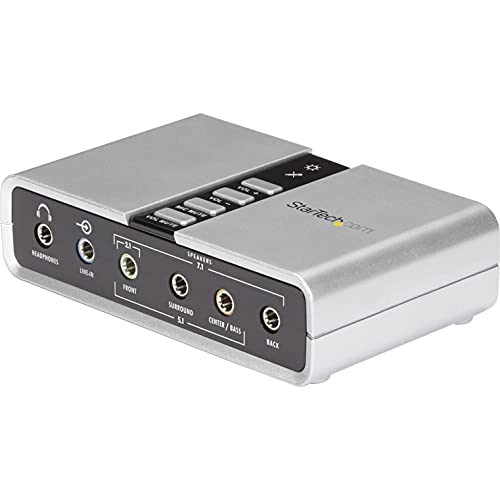
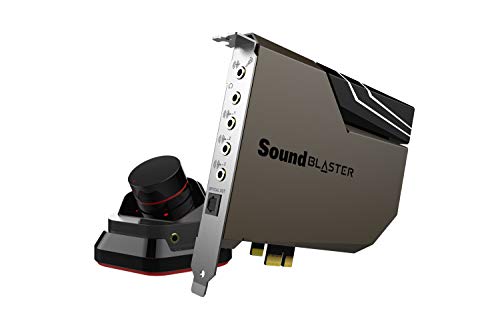
Decide between internal PCIe cards and external USB sound cards. PCIe cards generally offer lower latency and direct access to the motherboard’s PCI Express lanes, but require an open slot inside your case. USB sound cards are plug-and-play, ideal for laptops or compact desktops. For multi-channel speaker setups, ensure the card supports discrete 5.1 or 7.1 analog output via 3.5 mm jacks. Many audiophile cards also include optical (TOSLINK) and coaxial S/PDIF outputs for feeding an external DAC or home theater receiver.
Software and Customization
Even the best hardware benefits from thoughtful software. Look for a card that offers a parametric equalizer, preset profiles, or AutoEQ functionality to tailor the frequency response to your headphones. Dedicated control panels like Creative’s Sound Blaster Command or the Nexus app allow you to adjust virtual surround, bass boost, and microphone settings. Some cards are driverless (USB Audio Class 2 compliant) on Windows, macOS, and Linux, which simplifies setup. For a deeper look at how sound cards compare for multi-channel audio, see our roundup of 7.1 sound cards.
Final Thoughts
After evaluating the current lineup, we believe the Creative Sound Blaster Audigy Fx Pro Hi-Res PCIe offers an excellent entry point for listeners who want high-resolution audio and 7.1 surround without breaking the bank, while the Creative Sound Blaster AE-X Hi-Res PCIe Sound Card is the clear choice for purists seeking reference-grade DAC performance and enough power to drive even the most demanding studio headphones. Whichever route you take, upgrading from integrated audio will reveal layers of detail you never knew your music contained. If you are also building a quiet PC, you might appreciate our recommendations for best silent graphics cards for Zero-Noise builds.
Frequently Asked Questions
Do I really need a dedicated sound card for audiophile listening in 2026?
Modern motherboards have improved onboard audio, but they still suffer from electrical noise and limited amplification. A dedicated sound card with a quality DAC and headphone amp will deliver cleaner sound, better channel separation, and the ability to drive high-impedance headphones properly. If you have invested in good headphones or speakers, the upgrade is worthwhile.
What is the difference between a PCIe sound card and a USB sound card?
PCIe sound cards connect directly to the motherboard, offering lower latency and often higher-quality components. They are best for desktop PCs with an available slot. USB sound cards are external, portable, and easy to use with laptops. Both can achieve excellent audio quality; the choice depends on your system and convenience needs.
Can a sound card improve gaming audio as well as music?
Yes. Many audiophile sound cards also support virtual surround sound for headphones (e.g., 7.1 virtualization) and discrete multi-channel output for speakers. Features like hardware-accelerated audio processing can free up your CPU and provide more precise positional cues in games. Cards like the Creative Sound Blaster AE-7 are designed to excel in both music and gaming scenarios.
What sample rate should I look for in an audiophile sound card?
For most listeners, support for 24-bit/192 kHz is sufficient, but many high-resolution music files are available at 32-bit/384 kHz or DSD64/128. A card that handles up to 384 kHz and DSD256 gives you future-proofing. Note that higher sample rates do not always mean better sound; the quality of the DAC and analog circuitry matters more.