If you have ever plugged a high-end pair of headphones into your PC and heard background hiss, muddy mids, or a flat soundstage, you know the frustration. Onboard audio, even on premium motherboards, often cuts corners with cheap DACs and weak amplification. For audiophiles, gamers, and music producers, a dedicated sound card is the single most impactful upgrade you can make. This guide covers five of the best audiophile sound cards available in 2026, ranging from PCIe powerhouses to portable USB solutions. Whether you need reference-grade clarity for studio monitors or immersive 7.1 surround for gaming, we have evaluated each card on audio fidelity, connectivity, and build quality. For a deeper look at desktop audio upgrades, check out our guide to the best audiophile sound cards for PC.



Buying Guide
DAC Quality and Bit Depth
The digital-to-analog converter (DAC) is the heart of any sound card. Look for models that support at least 32-bit/384 kHz playback and a signal-to-noise ratio (SNR) above 120 dB. Flagship chips like the ESS ES9038Q2M or ES9018 deliver ultra-low distortion and wide dynamic range. A high-resolution DAC ensures that FLAC, ALAC, and DSD files sound exactly as the artist intended, without coloration or loss of detail.
Headphone Amplifier Power
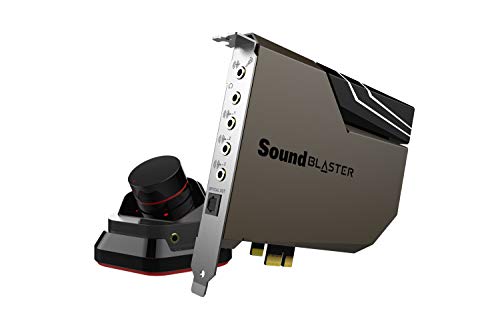
High-impedance headphones (250 to 600 ohms) require a dedicated amplifier to reach their full potential. A sound card with a built-in headphone amp should output at least 100 mW at 32 ohms, and ideally have a low output impedance (under 2 ohms) to avoid frequency response shifts. Separate amplification for each earcup, as found on the Creative Sound Blaster AE-7, provides cleaner stereo imaging and better transient response.
Connectivity and Surround Sound
Consider how you will connect your speakers and headphones. For a multi-channel speaker setup, a PCIe card with discrete 7.1 analog outputs and optical/coaxial S/PDIF is ideal. USB sound cards offer plug-and-play simplicity and often include line-in and mic inputs. If you use a home theater receiver, ensure the card supports Dolby Digital Live or DTS Connect for real-time encoding. For more on immersive audio, see our roundup of best home theater sound cards.
Driver Support and Software
Some audiophile cards are driver-free (UAC2 compliant), while others require proprietary software for advanced features like parametric EQ, virtual surround, or headphone frequency response simulation. Creative’s Sound Blaster Command and Nexus apps offer deep customization, including AutoEq presets. If you prefer a minimalist setup, a driver-free card like the GLOTRENDS ST115 works across Windows, macOS, and Linux without any bloatware.
Final Thoughts
Choosing the right audiophile sound card comes down to your specific setup and listening habits. If you demand the absolute highest fidelity from studio-grade headphones and want a premium DAC with a discrete headphone amplifier, the Creative Sound Blaster AE-7 Hi-Res PCIe is our top recommendation for serious audiophiles. For those who need a versatile, driver-free solution with excellent DAC performance and both optical and coaxial outputs, the GLOTRENDS ST115 PCIe Hi-Fi Sound Card offers incredible value. Both cards will transform your desktop audio and reveal details you never knew were missing.
Frequently Asked Questions
Do I need a sound card if I have a good motherboard?
Even premium onboard audio cannot match the dedicated DAC, shielding, and amplifier circuitry of a discrete sound card. You will notice cleaner sound, lower noise floor, and better headphone drive capability, especially with high-impedance headphones. In 2026, a sound card remains a worthwhile upgrade for any critical listener.
What is the difference between PCIe and USB sound cards?
PCIe cards connect directly to the motherboard, offering lower latency and higher bandwidth for multi-channel audio and hardware acceleration. USB sound cards are easier to install, often driver-free, and portable between devices. Both can achieve excellent audio quality; the choice depends on your need for internal routing versus external convenience.
Can I use a sound card for gaming?
Absolutely. Many audiophile sound cards support virtual surround sound (7.1) and hardware-accelerated audio, which offloads processing from your CPU and improves positional accuracy in games. Cards like the Creative Sound Blaster AE-7 also include Dolby Digital Live encoding for connecting to a home theater receiver. For more gaming-oriented options, browse our cards category.
How do I know if my headphones need a dedicated amp?
If your headphones have an impedance above 100 ohms or low sensitivity (under 100 dB SPL), they will likely benefit from a dedicated headphone amplifier built into a sound card. Symptoms of underpowered headphones include low volume, distorted bass, and a narrow soundstage. A card with a robust amp, like the Creative Sound Blaster AE-X, can drive even 600 ohm studio headphones with ease.